Timm Burkhardt works at the intersection of art and technology, creating interactive installations that examine money, social power structures, and communication. He also teaches regularly at the Bauhaus-Universität Weimar and develops technical solutions for theatre and dance performances.


Kontrollverlust
A pair of motorised chairs connected via radio, with each person controlling the other's chair. The first prototype of a work exploring trust, responsibility, control and communication.


Teurer Spaß – Cheap Thrill
This machine turns banknotes into confetti. Once your money has been verified as genuine, it is shredded and shot into the air.


Alles hat seinen Preis
The work consists of 30 identical stainless steel cubes, each weighing exactly one kilogram. They can be purchased individually at the engraved price.
The first cube costs 1 cent; each subsequent cube costs twice as much. Cube No. 28 therefore already costs over 1.3 million.
The work ilustrates the often underestimated rise of exponential growth, whether in the context of financial markets or climate change.
As of August 2026, numbers 1 to 16 have been sold. All the others are still available and will continue to be displayed.
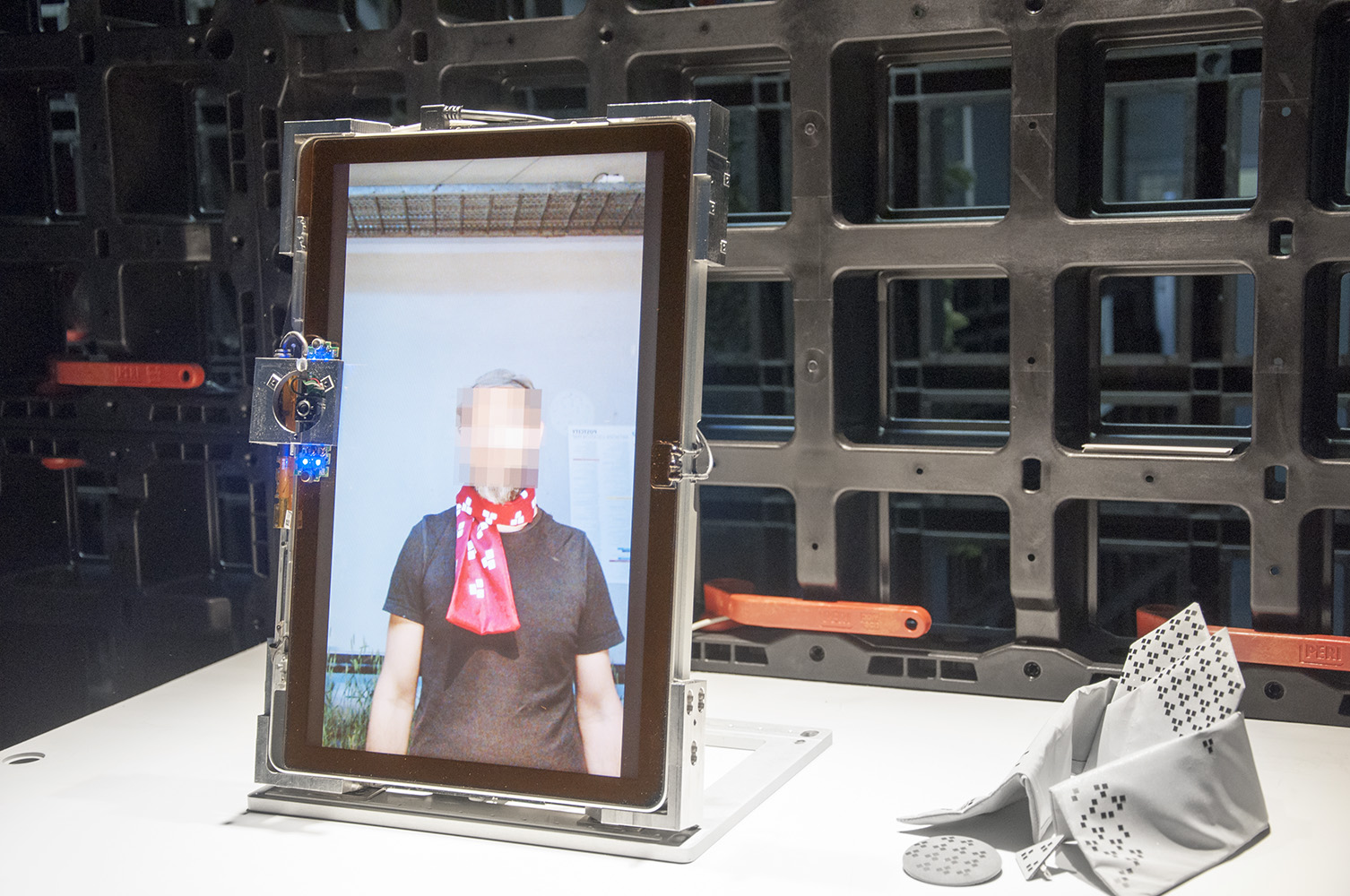

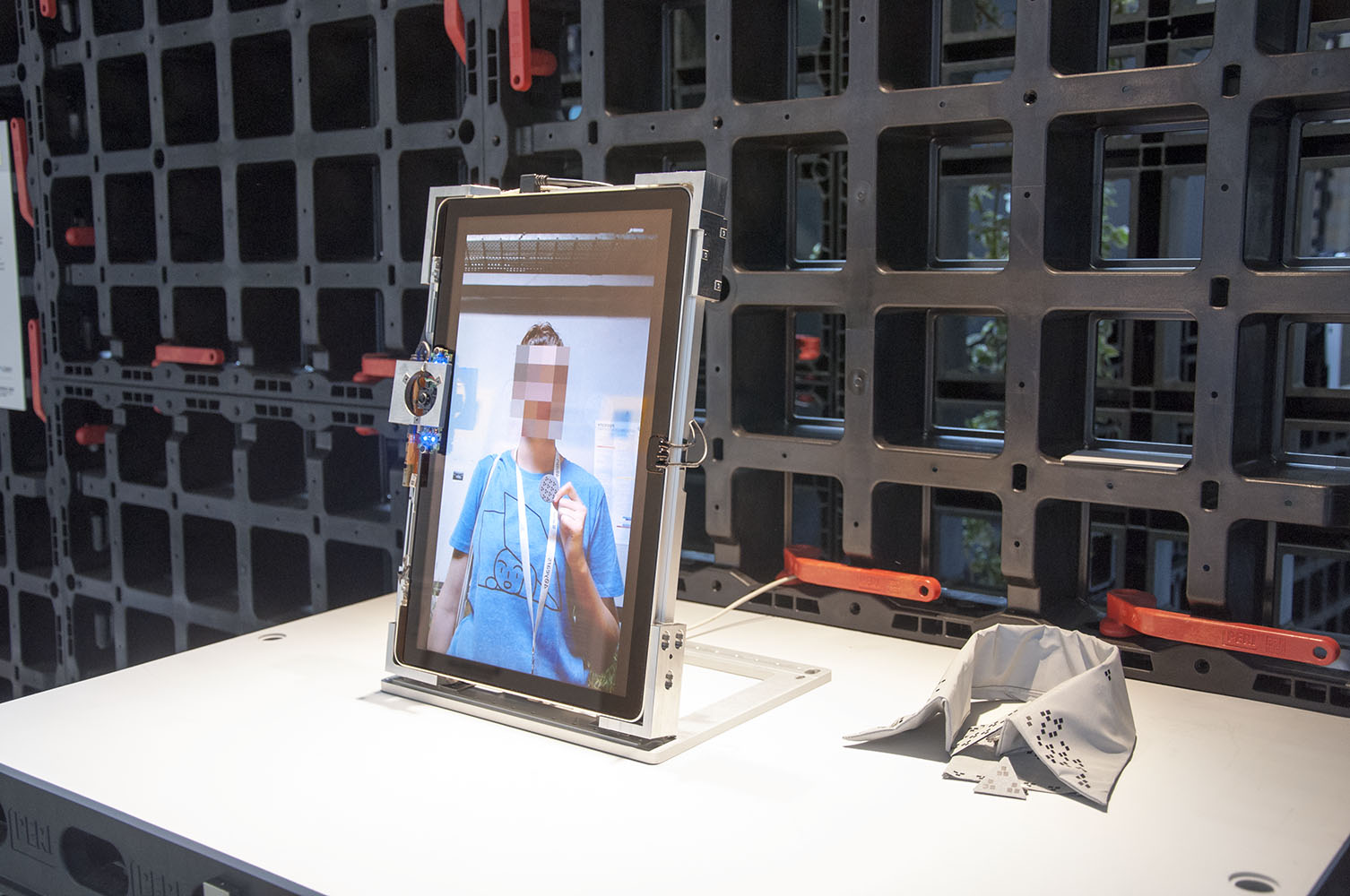
Privacy Machine
A digital proclamation: I want to be private today and not appear in your social media photos.
Stand in front of the screen, take a badge or a scarf and look into the camera. A special pattern is printed on these objects that is recognised by a small algorithm and immediately pixelates your face.
It's a concept, because ultimately the social media companies would have to add this little pattern to their recognition algorithms, which automatically block offensive content.

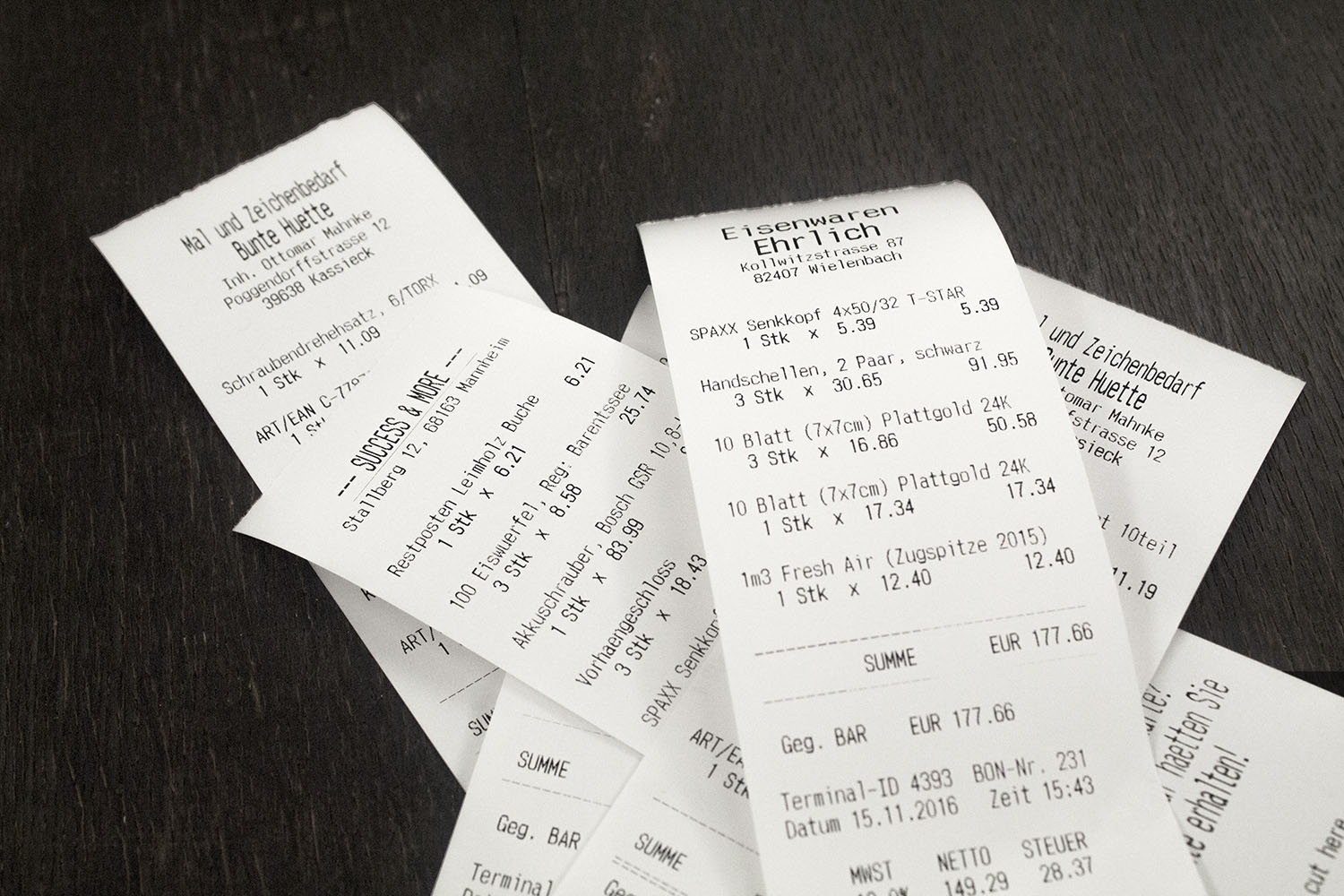

Machine to support the starving artist
Made from stainless steel, this inconspicuous machine is suited to the harsh environment of the streets. It generates receipts for random art supplies, printed on thermal paper like real shop receipts.
This work addresses Grundsicherungsgeld, a vital social security programme provided by the German government to ensure a minimum standard of living for individuals with insufficient income.
According to the regulations, income from self-employment is offset against state support. As a result, artists can keep only part of the occasional income they earn—unless they can document related expenses and deduct them from that income.
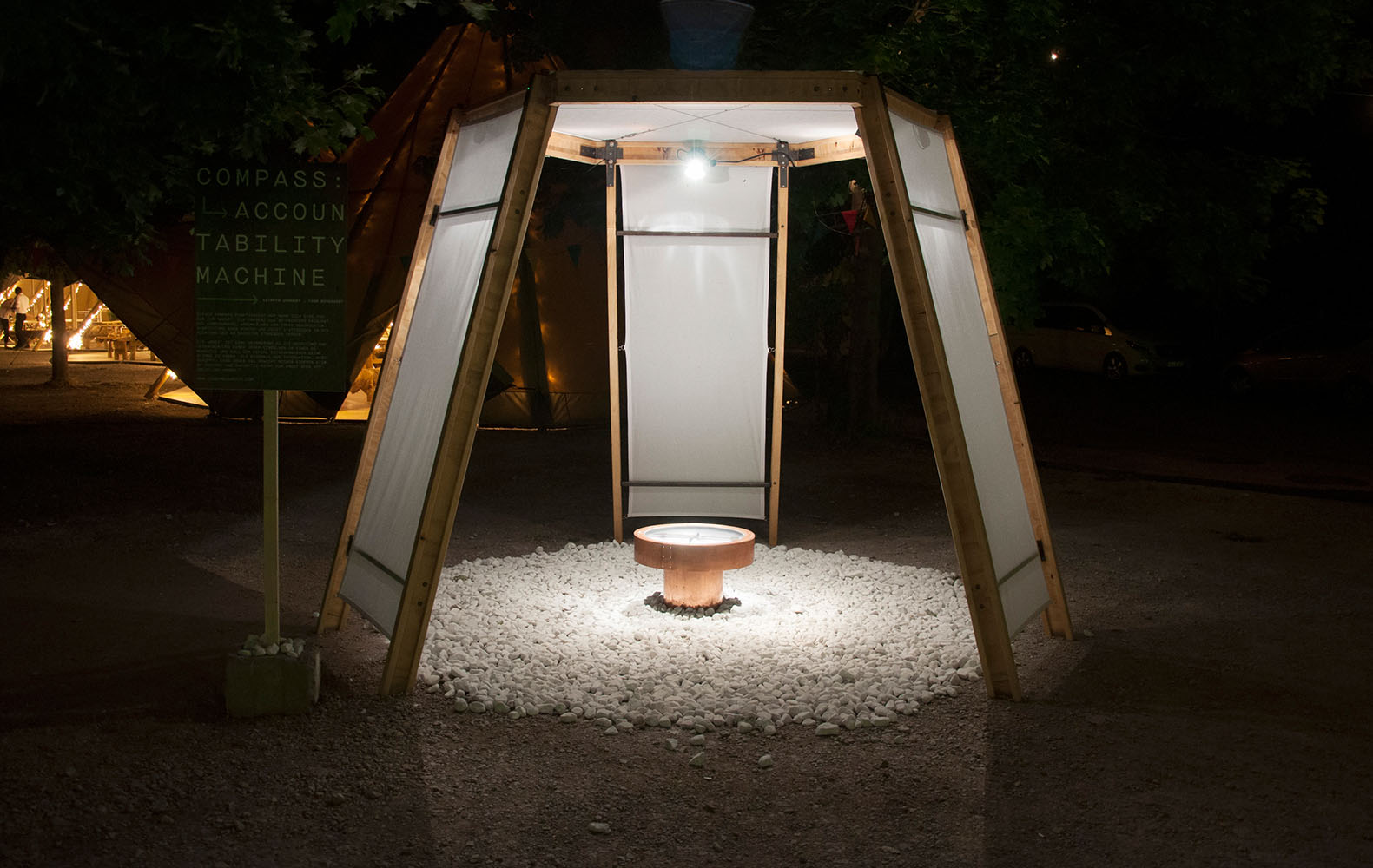


Accountability Machine
A Compass built in reaction to the current political climate, this machine delegates narrative responsibility to each person it encounters, to both oppose the feeling of being unheard, and to remind the viewer of, their critical part in a more complete whole.
The work is completed and operating only when a human approaches it. The presence of the viewer causes the compass needle to pull toward them, with each person then becoming „true north“.
A collaborative work with artist Kathryn Gohmert.
I can't help it
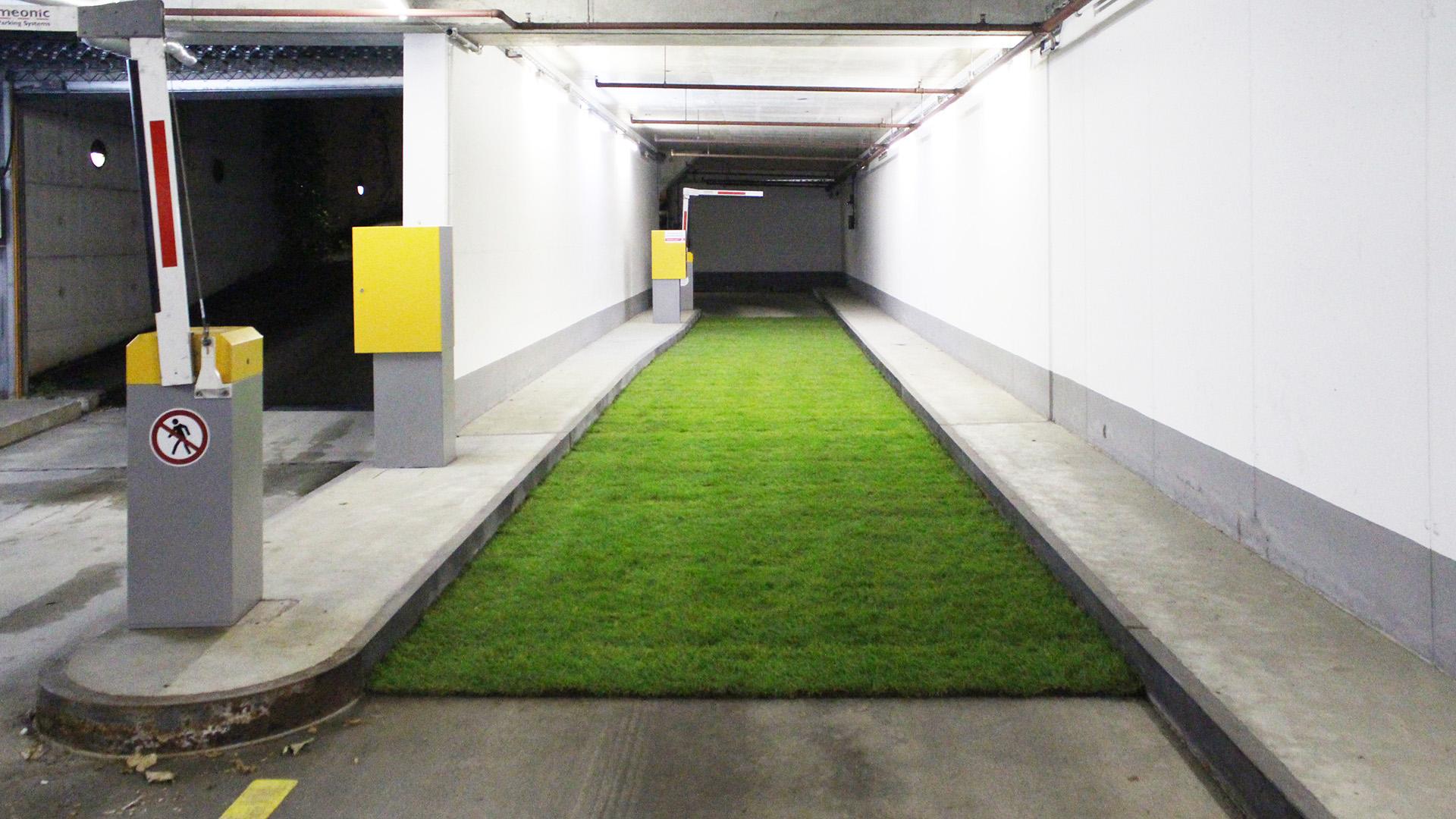
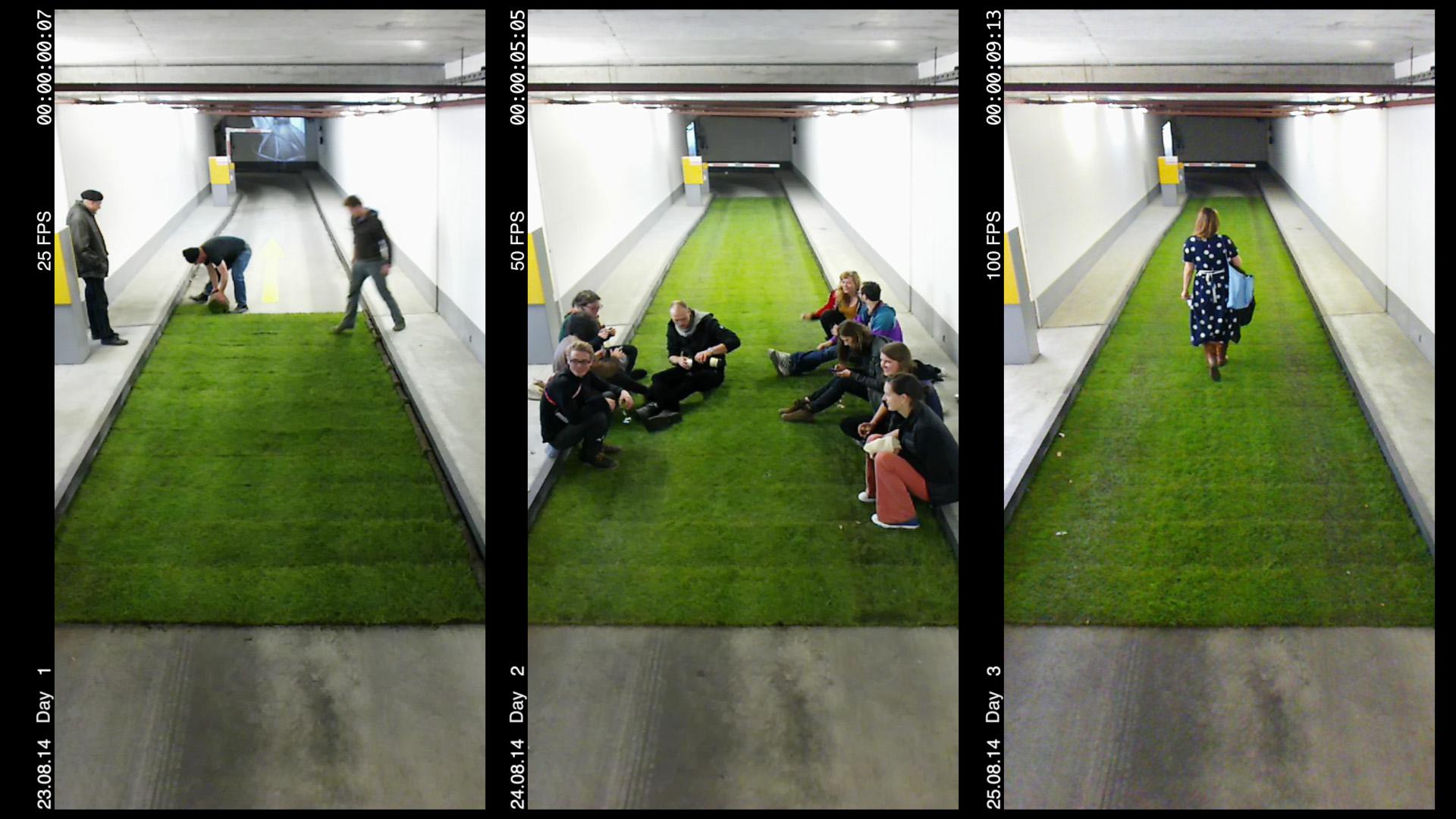
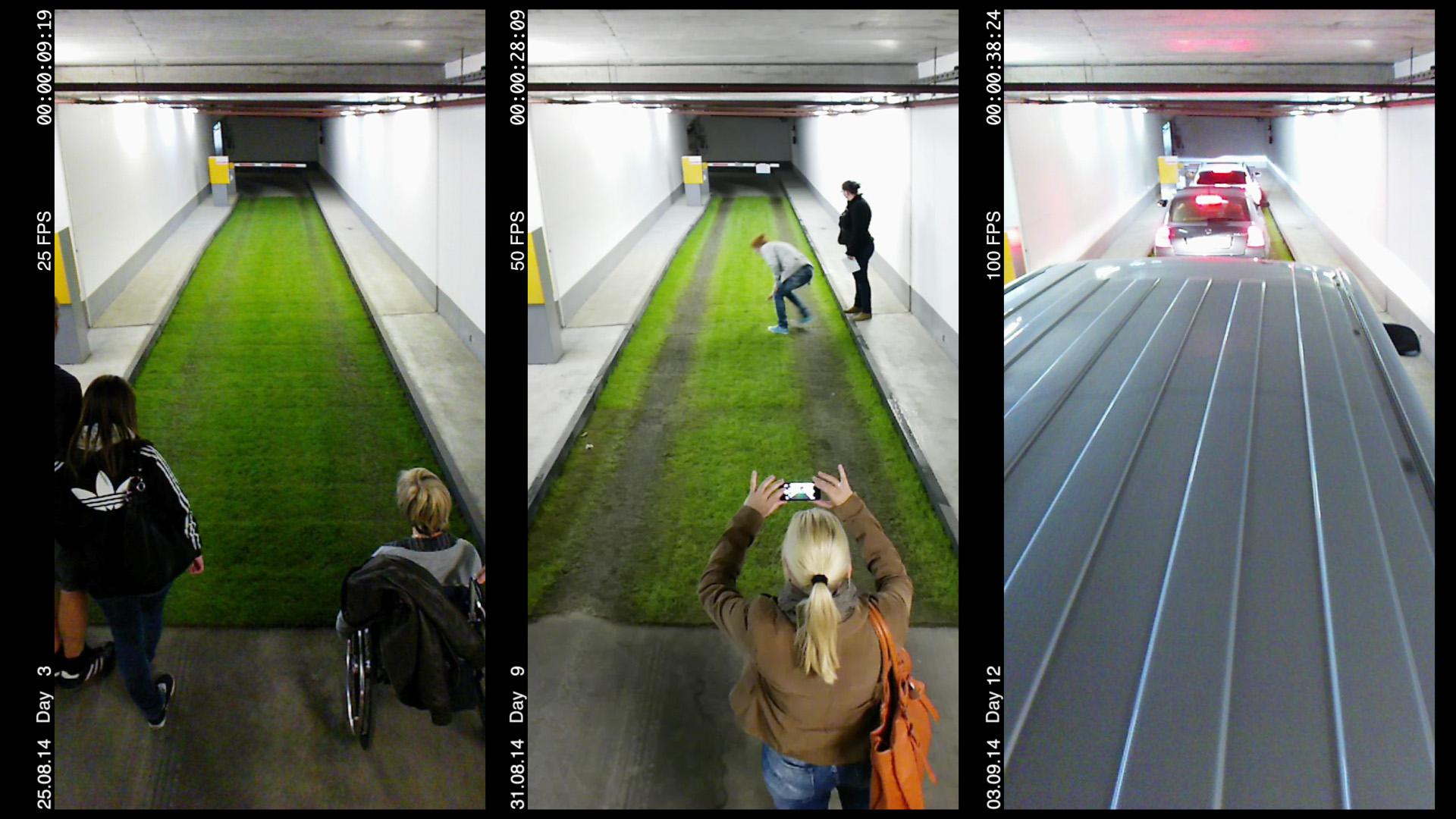
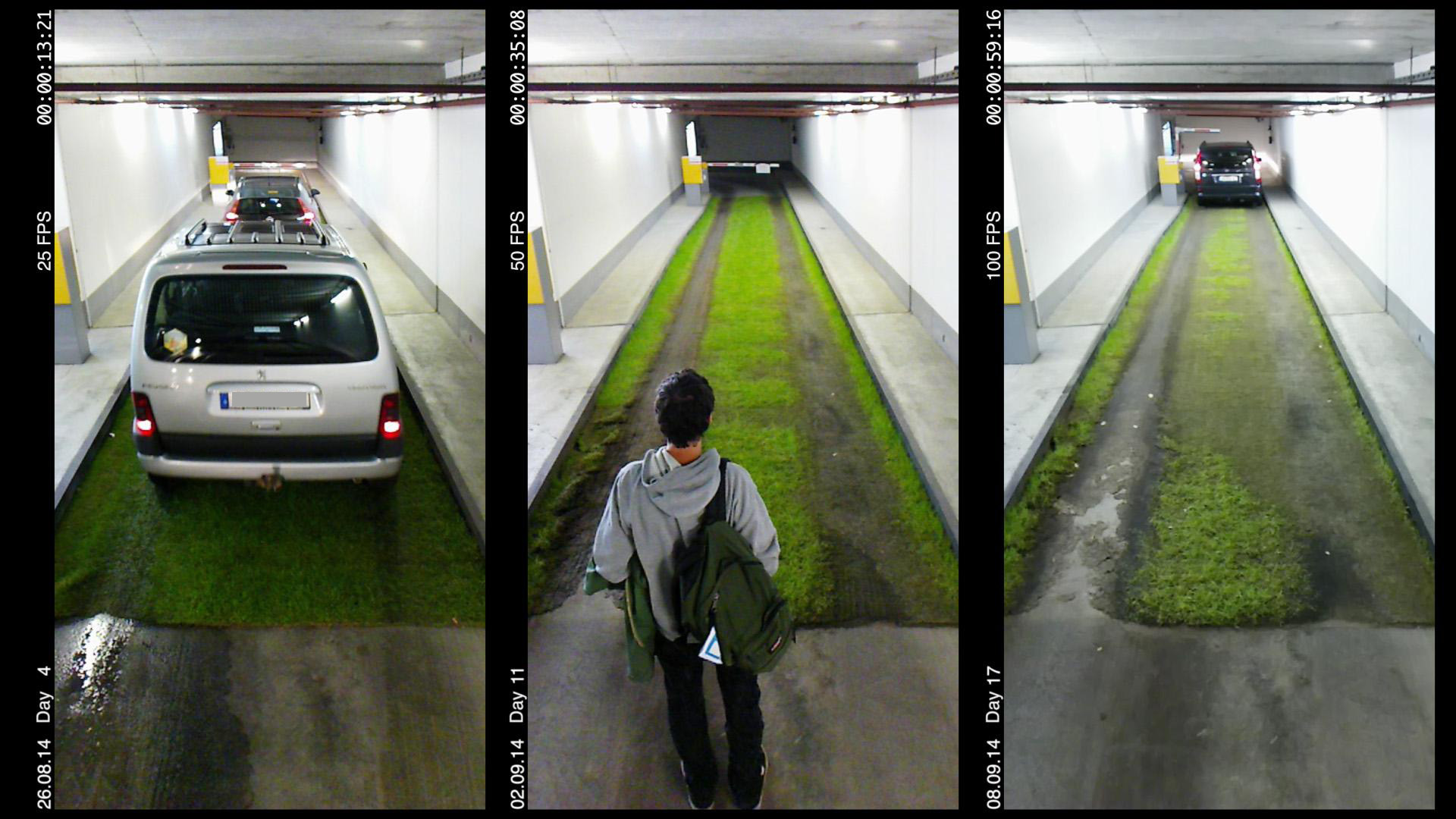
Yes, it's beautiful, but I have to drive my car over it now.
An underground car park exit
vs.
40 square meters of freshly laid turf.

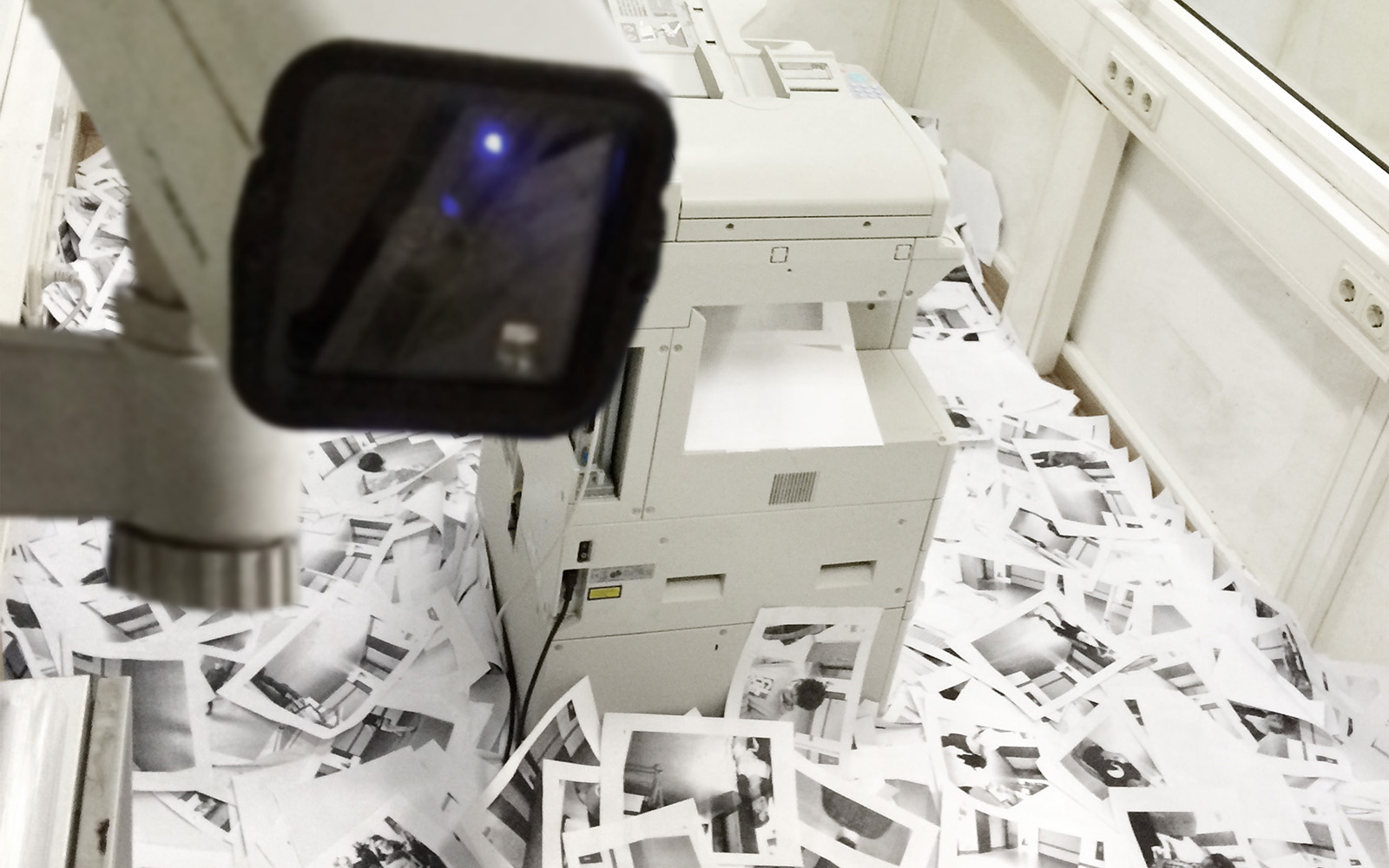


Surveillance Printer
This work addresses the invisible yet ubiquitous gaze of video surveillance. As soon as a visitor is within the detection range of the camera, the printer begins working, rapidly printing the current camera image at a high rate. The surprised visitor finds themselves immediately reproduced on a multitude of printouts. Allowed to take their picture with them, this action is also captured and printed, demonstrating that one can never cover all of their tracks.


MoneyShot
This work critically explores the social value of money through the act of shooting the smallest coin denomination. Developed in collaboration with artist Benedikt Braun, the project comprises several prototypes and a final design: SILENT using only magnetic propulsion, HIGH SPEED firing 33 cents per second and CONTINUOUS with a large capacity magazine.

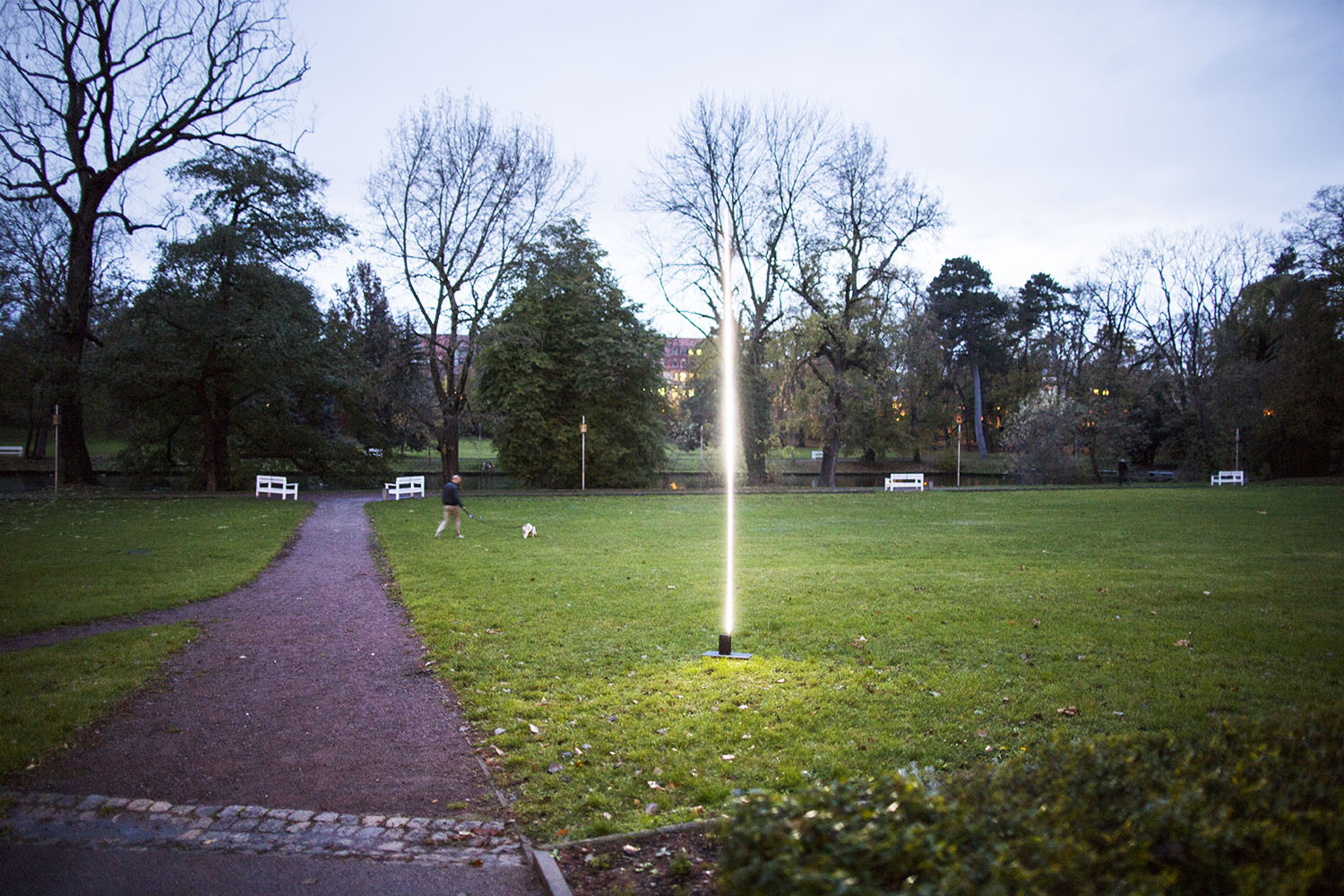
Who plans the planning?
To mark the founding of the Faculty of Art and Design, a copper beech was planted on the campus of the Bauhaus-Universität Weimar in 1993. Twenty-five years later, the tree was scheduled to be removed without replacement as part of the controversial redesign of the outdoor areas.
Although students pointed out its historical significance and protested against the felling, the tree was cut down. The responsible planners justified the felling with a planning status that was too advanced and could no longer be changed. The tree became a symbol of the planners' ignorance of the needs of students on their own campus.
If one now shakes one's head, the tree will be visible again for seconds. The trick: A band of 400 LEDs shows vertical sections of the tree picture in rapid succession. The image is created by the persistence of vision effect when viewed with lateral head movement due to the inertia of the human eye.